
Foods High In Calcium And Vitamin D And Magnesium
Top 10 Foods Highest in Magnesium

Powered by USDA Nutrition Data
Magnesium is an essential mineral required by the body for muscle and nerve function, maintaining heart rhythm, building strong bones (2) and energy production. The secretion and action of insulin also require magnesium.
A deficiency in magnesium can lead to numbness, muscle cramps, seizures, abnormal heart rhythms, and coronary spasms. (2)
Conversely, consuming too much magnesium typically causes diarrhea and nausea as the body attempts to excrete the excess. (2)
High magnesium foods include dark leafy greens, seeds, beans, fish, whole grains, nuts, dark chocolate, yogurt, avocados, bananas and more. The current daily value (DV) for magnesium is 420mg. (2)
Below is a list of high magnesium foods, for more, see the extended lists of magnesium rich foods, magnesium fruits, and magnesium vegetables.
- Introduction
- List of High Magnesium Foods
- Printable
- More Magnesium Rich Foods
- Health Benefits
- Deficiency Risks
- Magnesium Absorption
- Warnings
- About the Data
- Nutrient Ranking Tool
- Related
- Feedback
- References
#1: Spinach
| Magnesium per Cup Cooked | Magnesium per 100g | Magnesium per 200 Calories |
|---|---|---|
| 157mg (37% DV) | 87mg (21% DV) | 757mg (180% DV) |
#2: Squash and Pumpkin Seeds
| Magnesium per 1oz Handful | Magnesium per 100g | Magnesium per 200 Calories |
|---|---|---|
| 156mg (37% DV) | 550mg (131% DV) | 192mg (46% DV) |
#3: Lima Beans
| Magnesium per Cup Cooked | Magnesium per 100g | Magnesium per 200 Calories |
|---|---|---|
| 126mg (30% DV) | 74mg (18% DV) | 120mg (29% DV) |

#4: Tuna
| Magnesium per 6oz Fillet | Magnesium per 100g | Magnesium per 200 Calories |
|---|---|---|
| 109mg (26% DV) | 64mg (15% DV) | 70mg (17% DV) |
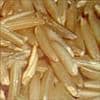
#5: Brown Rice
| Magnesium per Cup | Magnesium per 100g | Magnesium per 200 Calories |
|---|---|---|
| 86mg (20% DV) | 44mg (10% DV) | 79mg (19% DV) |
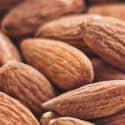
#6: Almonds
| Magnesium per 1oz Handful | Magnesium per 100g | Magnesium per 200 Calories |
|---|---|---|
| 77mg (18% DV) | 270mg (64% DV) | 93mg (22% DV) |

#7: Dark Chocolate (85% Cocoa)
| Magnesium per 1oz Square | Magnesium per 100g | Magnesium per 200 Calories |
|---|---|---|
| 65mg (15% DV) | 228mg (54% DV) | 76mg (18% DV) |

#8: Avocados
| Magnesium per Avocado | Magnesium per 100g | Magnesium per 200 Calories |
|---|---|---|
| 58mg (14% DV) | 29mg (7% DV) | 36mg (9% DV) |

#9: Non-Fat Yogurt
| Magnesium per Cup | Magnesium per 100g | Magnesium per 200 Calories |
|---|---|---|
| 47mg (11% DV) | 19mg (5% DV) | 68mg (16% DV) |

#10: Bananas
| Magnesium per Cup Sliced | Magnesium per 100g | Magnesium per 200 Calories |
|---|---|---|
| 41mg (10% DV) | 27mg (6% DV) | 61mg (14% DV) |
See All 200 Foods High in Magnesium
 Next ➞
Printable One Page Sheet
Click to Print
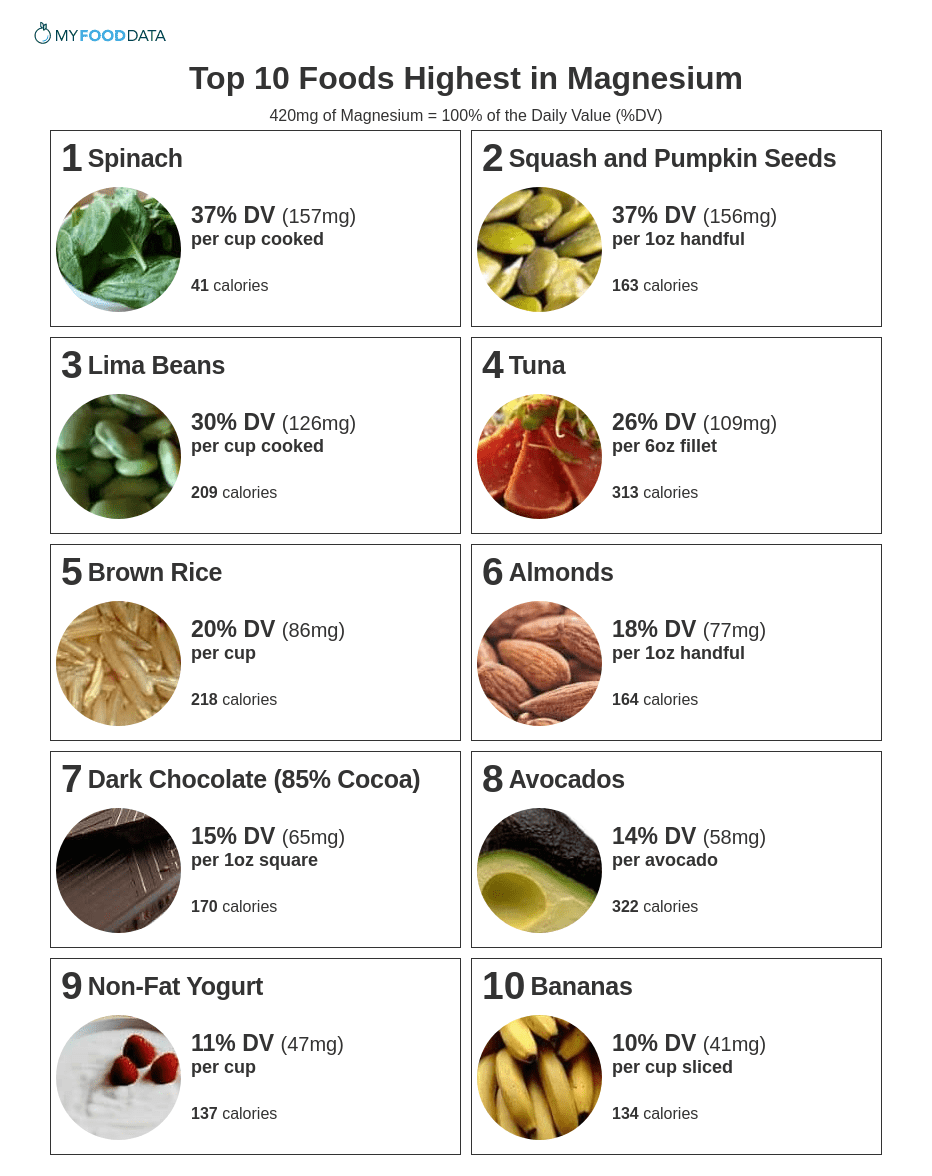
Extended List of Magnesium Rich Foods
Health Benefits of Magnesium
- Regulation of Blood Pressure - Diets high in fruits and vegetables provide both magnesium and potassium which are consistently associated with reduced blood pressure. (3,4,5)
- Reduced Risk of Type II Diabetes - Magnesium is involved in carbohydrate metabolism and the body's use of insulin. (6) Studies show that individuals with type II diabetes have low levels of magnesium in their blood. (7) Correcting this lack of magnesium may help increase sensitivity to insulin and prevent type II diabetes.(8)
- Reduced Risk of Heart Attack and other Cardiovascular Diseases - Because magnesium is associated with regulation of blood pressure and lower risk of diabetes, it follows that it also reduces risk of cardiovascular disease. (9) Elevated levels of magnesium in the blood have been associated with reduced risk of heart attack and stroke. (10,11,12)
- Reduced Risk of Osteoporosis - Magnesium plays a role in calcium metabolism and hormones which regulate calcium and may help to protect against osteoporosis. (7,13) Several studies support that increased magnesium intake increases bone health. (7)
- Reduced Frequency of Migraine Headaches (*Controversial) - Studies show that individuals who have frequent migraine headaches have lower levels of magnesium than other individuals. (14) There is conflicting evidence as to whether increased intake of magnesium will reduce the frequency of migraines. (14,15,16,17)
- Alleviation of Premenstrual Syndrome (PMS) - Studies suggest that consuming higher amounts of magnesium, perhaps in conjunction with vitamin B6, helps to alleviate bloating, insomnia, leg swelling, weight gain, breast tenderness, and other symptoms associated with PMS. (18)
High Risk Groups for a Magnesium Deficiency
- Long distance athletes - People who exercise over long distances lose electrolytes via sweat and need to replenish their sodium, potassium, magnesium, and phosphorus levels.
- Dehydration - People who consume excess alcohol, or suffer diarrhea, or are dehydrated for other reasons, need to replenish their sodium, potassium, magnesium, and phosphorus levels.
- People with Gastrointestinal Disorders - Most magnesium is absorbed through the colon so people with gastrointestinal disorders like Crohn's disease are at high risk for a magnesium deficiency. (19,20)
- People with Poor Functioning Kidneys - Under normal circumstances, the kidneys regulate magnesium levels in the blood, excreting less when stores are low. However, excessive loss of magnesium through urine can occur to people on certain medications, with poorly managed diabetes and in alcoholics. (21,22)
- The Elderly - As we age the amount of magnesium we absorb decreases and the amount we excrete increases. (7)
- People on a low protein diet (*Controversial) - Eating less than 30 grams of protein a day may adversely affect magnesium utilization. (23)
- People taking Certain Medications
- Proton Pump Inhibitors: Prescription PPIs include Nexium (esomeprazole magnesium), Dexilant (dexlansoprazole), Prilosec (omeprazole), Zegerid (omeprazole and sodium bicarbonate), Prevacid (lansoprazole), Protonix (pantoprazole sodium), AcipHex (rabeprazole sodium), Vimovo, Prilosec OTC (omeprazole), Zegerid OTC (omeprazole and sodium bicarbonate), and Prevacid 24HR (lansoprazole)(24)
- Diuretics: Lasix, Bumex, Edecrin, and hydrochlorothiazide (22)
- Anti-neoplastic (Cancer) medication: Cisplatin (25)
- Zinc Supplements (26)
Factors which Affect Magnesium Absorption
- Fermentable carbohydrates like those found in grains, dairy, and fruit enhance the absorption of magnesium. (27)
- Foods with protein enhance the absorption of magnesium and calcium. (23)
- Phytates, found in vegetables, grains, seeds, and nuts may slightly hinder magnesium absorption, however, high magnesium content of all these foods counteracts the effect of phytates. (28)
- Foods high in oxalates, such as spinach, leafy greens, nuts, tea, coffee and cacao also reduce magnesium absorption. Cooking reduces oxalic acid, so cooking spinach and other greens is better than eating them raw (in terms of magnesium absorption). (28)
Warnings
- Nuts, seeds, dark chocolate, and molasses are high calorie foods and should be eaten in moderate amounts by people with a high body mass index.
- Dark chocolate, spinach, and almonds are high in oxalates which may inhibit some magnesium absorption. (28) These foods however, are still good sources of magnesium.
- Brazil nuts are very high in selenium. Excess selenium can lead to diarrhea, bad breath, and even hair loss.
About the Data
Data for the curated food lists comes from the USDA Food Data Central Repository.
You can check our data against the USDA by clicking the (Source) link at the bottom of each food listing.
Note: When checking data please be sure the serving sizes are the same. In the rare case you find any difference, please contact us and we will fix it right away.
- Foods High in Magnesium
- Foods Low in Magnesium
- Vegetables High in Magnesium
- Fruits High in Magnesium
- Vegetarian Foods High in Magnesium
- Nuts High in Magnesium
- Grains High in Magnesium
- Beans High in Magnesium
- Dairy High in Magnesium
- Breakfast Cereals High in Magnesium
- Fast Foods High in Magnesium
View more food groups with the nutrient ranking tool, or see ratios with the nutrient ratio tool.
- High Magnesium Fruits
- High Magnesium Vegetables
- High Potassium Foods
- High Calcium Foods
- High Phosphorus Foods
- Foods High in Electrolytes
feedback
Data Sources and References
- U.S. Agricultural Research Service Food Data Central
- Office Of Dietary Supplements Fact Sheet on Magnesium
- Appel LJ. Nonpharmacologic therapies that reduce blood pressure: A fresh perspective. Clin Cardiol 1999;22:1111-5.
- Simopoulos AP. The nutritional aspects of hypertension. Compr Ther 1999;25:95-100.
- Appel LJ, Moore TJ, Obarzanek E, Vollmer WM, Svetkey LP, Sacks FM, Bray GA, Vogt TM, Cutler JA, Windhauser MM, Lin PH, Karanja N. A clinical trial of the effects of dietary patterns on blood pressure. N Engl J Med 1997;336:1117-24.
- Saris NE, Mervaala E, Karppanen H, Khawaja JA, Lewenstam A. Magnesium: an update on physiological, clinical, and analytical aspects. Clinica Chimica Acta 2000;294:1-26.
- Institute of Medicine. Food and Nutrition Board. Dietary Reference Intakes: Calcium, Phosphorus, Magnesium, Vitamin D and Fluoride. National Academy Press. Washington, DC, 1999.
- Paolisso G, Sgambato S, Gambardella A, Pizza G, Tesauro P, Varricchio H, D'Onofrio F. Daily magnesium supplements improve glucose handling in elderly subjects. Am J Clin Nutr 1992;55:1161-7.
- Altura BM and Altura BT. Magnesium and cardiovascular biology: An important link between cardiovascular risk factors and atherogenesis. Cell Mol Biol Res 1995;41:347-59.
- Ford ES. Serum magnesium and ischaemic heart disease: Findings from a national sample of US adults. Intl J of Epidem 1999;28:645-51.
- Liao F, Folsom A, Brancati F. Is low magnesium concentration a risk factor for coronary heart disease? The Atherosclerosis Risk in Communities (ARIC) Study. Am Heart J 1998;136:480-90.
- Ascherio A, Rimm EB, Hernan MA, Giovannucci EL, Kawachi I, Stampfer MJ, Willett WC. Intake of potassium, magnesium, calcium, and fiber and risk of stroke among US men. Circulation 1998;98:1198-204.
- Elisaf M, Milionis H, Siamopoulos K.Hypomagnesemic hypokalemia and hypocalcemia: Clinical and laboratory characteristics. Mineral Electrolyte Metab 1997;23:105-12.
- Mauskop A, Altura BM. Role of magnesium in the pathogenesis and treatment of migraines. Clin Neurosci. 1998;5(1):24-27.
- Peikert A, Wilimzig C, Kohne-Volland R. Prophylaxis of migraine with oral magnesium: results from a prospective, multi-center, placebo-controlled and double-blind randomized study. Cephalalgia. 1996;16(4):257-263.
- Pfaffenrath V, Wessely P, Meyer C, et al. Magnesium in the prophylaxis of migraine--a double-blind placebo-controlled study. Cephalalgia. 1996;16(6):436-440.
- Wang F, Van Den Eeden SK, Ackerson LM, Salk SE, Reince RH, Elin RJ. Oral magnesium oxide prophylaxis of frequent migrainous headache in children: a randomized, double-blind, placebo-controlled trial. 2003;43(6):601-610.
- Bendich A. The potential for dietary supplements to reduce premenstrual syndrome (PMS) symptoms. J Am Coll Nutr. 2000;19(1):3-12.
- Rude RK. Magnesium deficiency: A cause of heterogeneous disease in humans. J Bone Miner Res 1998;13:749-58.
- Rude KR. Magnesium metabolism and deficiency. Endocrinol Metab Clin North Am 1993;22:377-95.
- Kelepouris E and Agus ZS. Hypomagnesemia: Renal magnesium handling. Semin Nephrol 1998;18:58-73.
- Ramsay LE, Yeo WW, Jackson PR. Metabolic effects of diuretics. Cardiology 1994;84 Suppl 2:48-56.
- R. A. McCance, E. M. Widdowson, and H. Lehmann. The effect of protein intake on the absorption of calcium and magnesium. Biochem J. 1942 September; 36(7-9): 686-691.
- FDA Drug Safety Communication: Low magnesium levels can be associated with long-term use of Proton Pump Inhibitor drugs (PPIs)
- Lajer H and Daugaard G. Cisplatin and hypomagnesemia. Ca Treat Rev 1999;25:47-58.
- Spencer H, Norris C, Williams D.Inhibitory effects of zinc on magnesium balance and magnesium absorption in man. J Am Coll Nutr. 1994 Oct;13(5):479-84.
- Charles Coudray, Christian Demigne, and Yves Rayssiguier. Effects of Dietary Fibers on Magnesium Absorption in Animals and Humans. J. Nutr. January 1, 2003 vol. 133 no. 1 1-4.
- Torsten Bohn, Lena Davidsson, Thomas Walczyk and Richard F. Hurrel Fractional magnesium absorption is significantly lower in human subjects from a meal served with an oxalate-rich vegetable, spinach, as compared with a meal served with kale, a vegetable with a low oxalate content. Laboratory for Human Nutrition, Institute of Food Science and Nutrition, Swiss Federal Institute of Technology, Zurich, Switzerland (Received 27 May 2003 - Revised 7 November 2003 - Accepted 28 November 2003
MyFoodData provides nutrition data tools and articles to help you organize and understand the foods you eat. Read more...
Foods High In Calcium And Vitamin D And Magnesium
Source: https://www.myfooddata.com/articles/foods-high-in-magnesium.php

0 komentar:
Posting Komentar